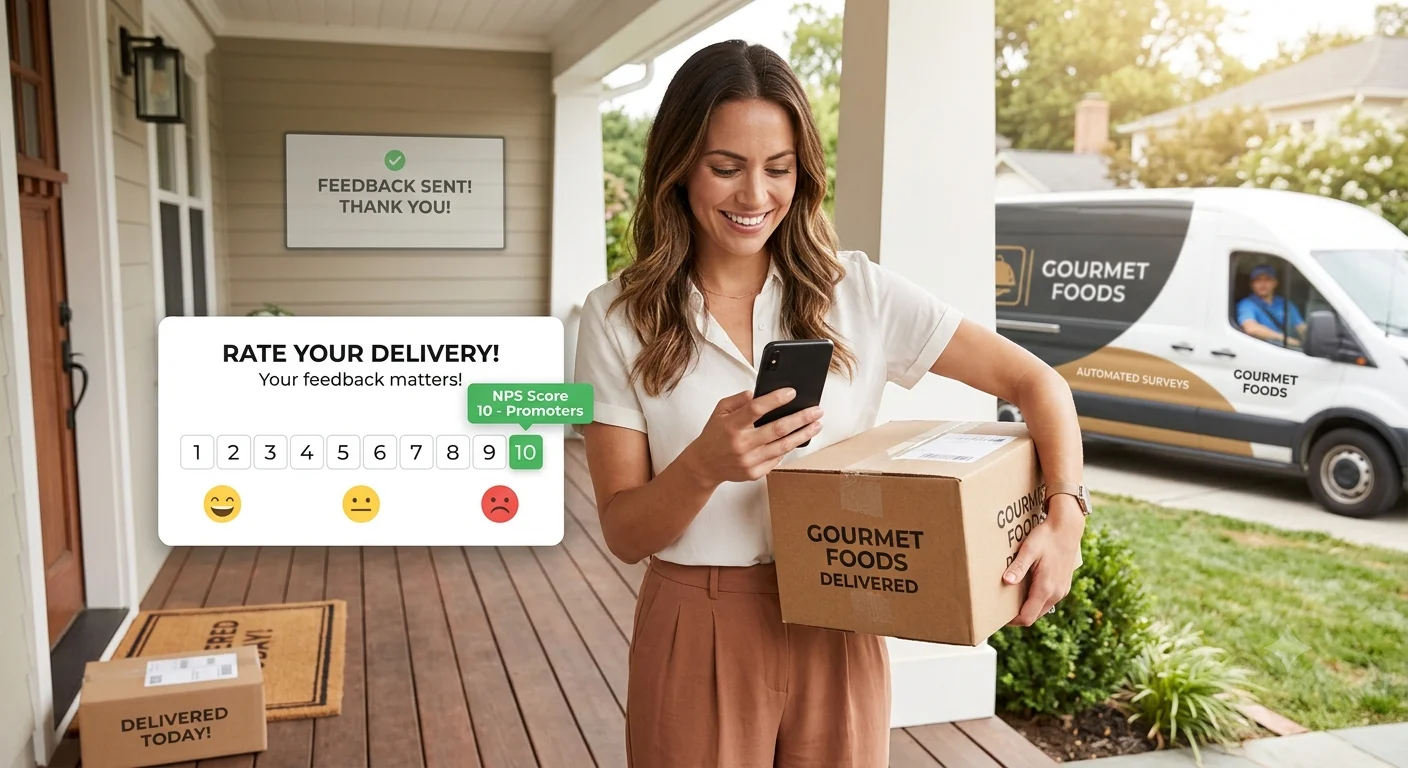
In the world of sales, the easiest way to grow is to leverage the trust you have already earned. A customer who has successfully completed the lifecycle—from lead to close to long-term post-sales service—is your most valuable marketing asset.
However, most businesses treat their “Promoters” the same way they treat their “Passives.” This is a missed opportunity. By using your CRM to identify and segment your VIPs, you can automate a high-performance Referral Program that turns your best clients into your most effective sales force.
Moving Beyond “One-Size-Fits-All” Loyalty
The secret to a successful referral program is segmentation. If you send a generic “Refer a Friend” email to everyone, you’ll likely get mediocre results. Instead, you need to use your CRM to distinguish between the three types of contacts in your pipeline:
-
The VIPs (Promoters): Your long-term clients with a high Net Promoter Score (NPS) and high lifetime value. They don’t need a cheap incentive; they need an exclusive experience.
-
The New Successes: Clients who just completed their first project or purchase. Their excitement is at its peak.
-
The “At-Risk”: Clients with low engagement. They shouldn’t be asked for referrals until their service issues are resolved.
Segmenting Your CRM for Referral Success
To automate your referral engine, you must first create a VIP Score field in your CRM. This should be a calculated field based on three data points:
-
Lifetime Value (LTV): Total revenue generated by the client.
-
Sentiment Score: Average NPS or CSAT score.
-
Engagement: Frequency of recent logins or interactions.
Clients who rank in the top 15% of all three categories are your Brand Ambassadors.
Building the Automated Referral Pipeline
Don’t wait for your team to manually identify who to ask for a referral. Build a workflow in your CRM that triggers a “Referral Invitation” sequence based on specific behaviors.
4 Rules for an Effective VIP Referral Program
| Rule | Why it Works |
| Make the Reward Meaningful | For VIPs, a $10 Amazon card is insulting. Use experiential rewards (e.g., VIP support status, early access to new features, or professional referrals back to them). |
| Keep it “Two-Way” | Ensure the person being referred also gets a “new client” discount. This makes the referral feel like a gift, not a sales pitch. |
| Automate the Gratitude | A referral is a massive favor. If your system forgets to thank the ambassador, they will never refer again. |
| Monitor the “Referral-to-Lead” Quality | Not all referrals are equal. Your CRM should track which Ambassadors send you high-quality prospects versus “spam” leads. Reward the quality, not just the quantity. |
The Power of VIP Segmentation: The most effective referrals come from Ambassadors who feel like they are “in the club.” By treating your top tier differently, you aren’t just running a program; you are building a community.
Conclusion: Turning Loyalty into a Scalable Channel
Referral programs often fail because they are treated as an afterthought. When you use your CRM to systematically identify your VIPs and automate the outreach process, you turn “word of mouth” into a predictable, measurable sales channel.
By delivering a superior experience to your best clients and rewarding them for their trust, you create a growth loop that lowers your Customer Acquisition Cost (CAC) while simultaneously deepening your relationship with the people who make your business possible.

