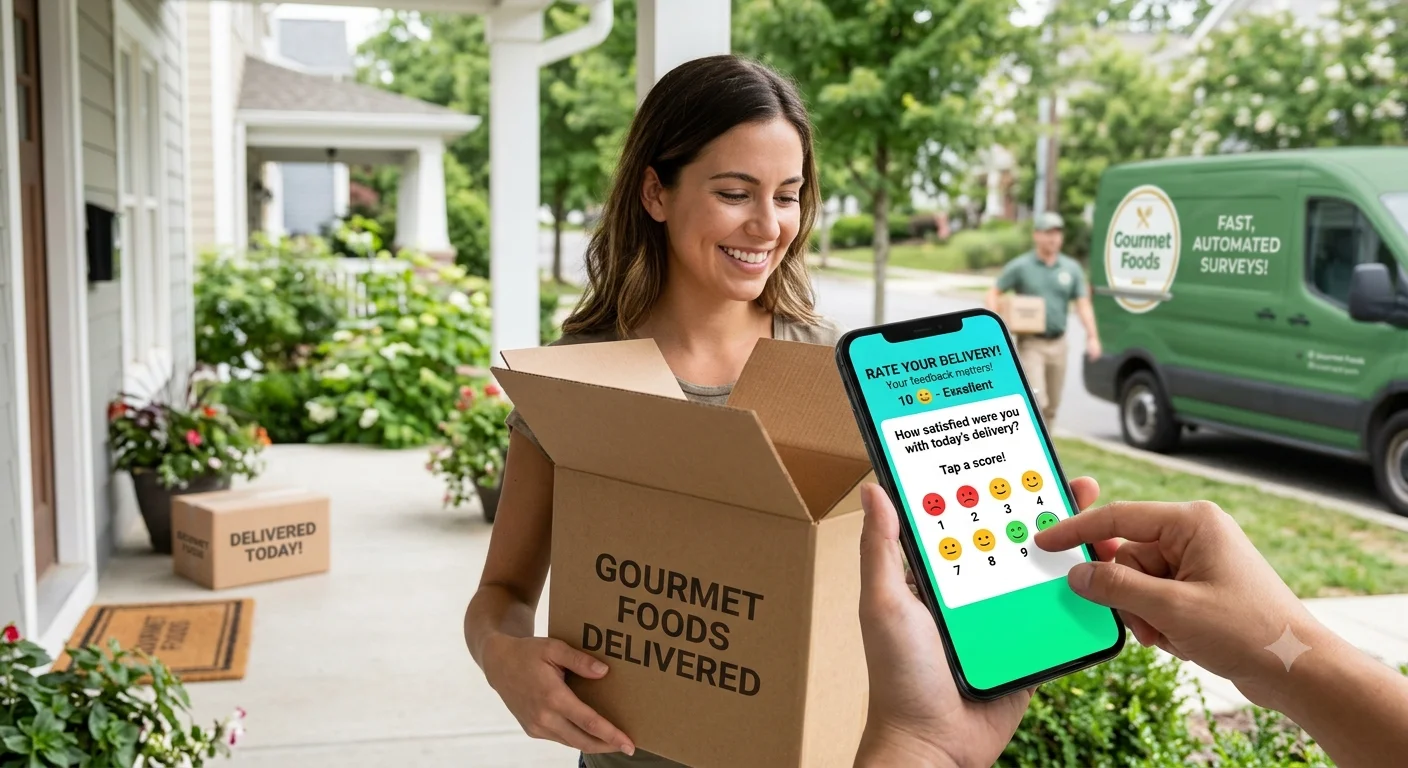
Customer satisfaction is not a static state—it is a series of emotional snapshots taken at specific points in the buyer’s journey. The most critical of these snapshots occurs immediately following the delivery of a product or the completion of a service.
If you wait two weeks to ask for feedback, the emotional nuance is lost. By then, the client has moved on, and your response data is muddied by their current experience rather than the specific interaction you are trying to measure.
Automating Net Promoter Score (NPS) surveys directly within your CRM ensures that you capture actionable sentiment while the experience is still fresh.
Why Timing is Everything in Feedback
The goal of an NPS survey is to quantify loyalty. By asking the classic question, “On a scale of 0 to 10, how likely are you to recommend us to a friend or colleague?”, you categorize your clients into three buckets: Promoters (9-10), Passives (7-8), and Detractors (0-6).
When automated to trigger immediately after service delivery:
-
Response Rates Soar: Surveys sent within 24 hours of a delivery or repair have significantly higher open and completion rates compared to generic monthly newsletters.
-
Problems are Caught Fast: A Detractor’s low score acts as a “fire alarm,” alerting your team to a service failure before the client takes their business to a competitor.
The Automated NPS Blueprint

Designing the Perfect Automated Survey Workflow
To make your feedback collection machine run without constant manual intervention, build your CRM automation around these three phases:
1. The Trigger Event
Don’t send surveys blindly. The trigger must be a concrete “Success Event” within your CRM, such as:
-
Deal Stage Change: The project status moves to “Closed-Won.”
-
Logistics Confirmation: The shipment tracking number shows “Delivered.”
-
Support Ticket Close: The status of a critical issue changes from “Open” to “Resolved.”
2. The Multi-Channel Approach
Not everyone checks their email, but everyone looks at their texts.
-
The First Touch: Send a clean, simple email 24 hours after the event. Keep the branding light and the survey question immediately visible.
-
The Follow-Up: If the email remains unopened after 48 hours, trigger an automated SMS with a shortened link to the survey. This “safety net” ensures you don’t lose the chance to hear from your customer.
3. Immediate Response Routing (The “Save” Strategy)
Data is useless without action. Your CRM should automatically route responses based on the score received:
-
Promoters (9-10): Automatically trigger an email asking for a Google or social media review.
-
Passives (7-8): Send an automated “Thank you” email asking if there is one specific thing you could have done to make their experience a 10.
-
Detractors (0-6): The highest priority. The CRM must immediately create a task for an account manager to call the client, apologize, and resolve the underlying issue.
4 Keys to Maximizing Your Survey Data
| Strategy | Why It Matters |
| One-Question Focus | Keep the initial survey to a single question. Don’t bury your NPS in a 10-page questionnaire. |
| Keep it Mobile-First | Over 60% of consumers will view your survey on a phone. Ensure the rating buttons are large and thumb-friendly. |
| Close the Loop | If a customer provides feedback, confirm you’ve received it. A simple “Thank you, we’re working on it” prevents frustration. |
| Anonymity Options | Allow customers to submit feedback anonymously if they feel uncomfortable, as this often leads to more honest, constructive criticism. |
The Insight: A Detractor is not a lost customer; they are a customer who is telling you exactly how to improve your business. Never ignore a low score—it is your most valuable roadmap to higher retention.
Conclusion: Turning Sentiment into Revenue
Automated NPS surveys turn your CRM into a listening tool that works 24/7. By measuring satisfaction the moment a delivery is finalized, you move from guessing how your customers feel to having a data-backed understanding of your brand’s loyalty.
Implementing this automation not only protects your revenue by catching service failures early, but it also highlights your most loyal customers—giving you a clear list of people to reach out to for referrals, case studies, and testimonials.

